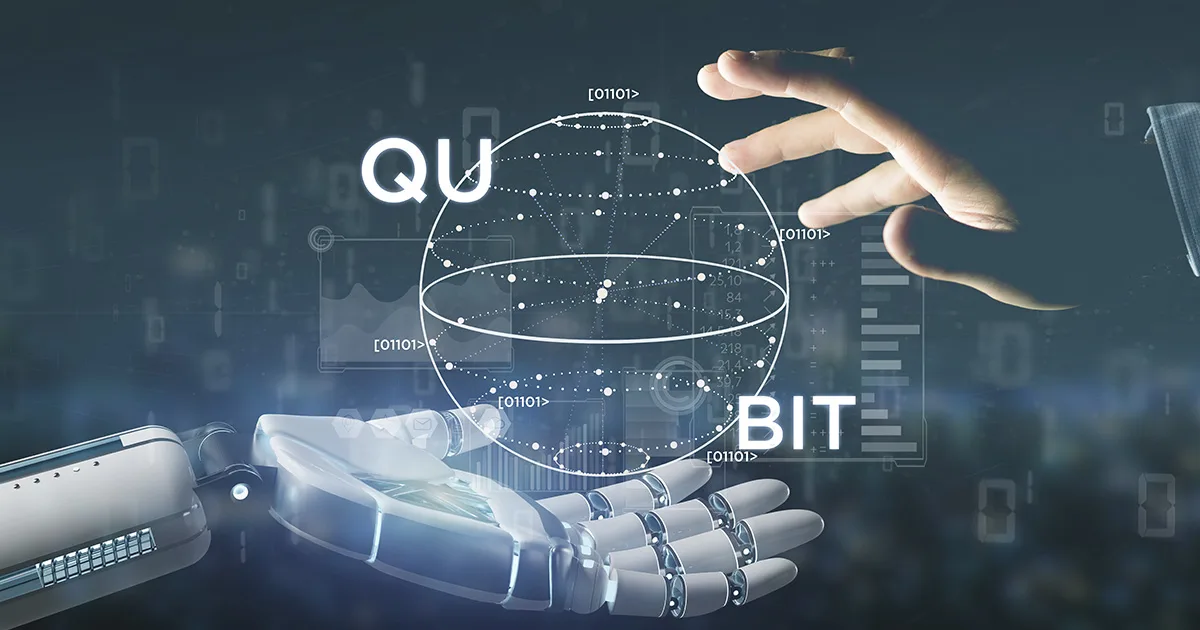
The Quantum Era Is Coming — Is Your Cryptography Ready?
The digital world relies heavily on cryptography to secure sensitive information, protect online transactions, and maintain trust across networks. From banking systems and healthcare records to cloud platforms and government communications, encryption serves as the foundation of modern cybersecurity.
However, a technological shift is on the horizon. Quantum computing, once considered a distant possibility, is advancing rapidly. While quantum computers promise breakthroughs in science, medicine, and artificial intelligence, they also pose a significant threat to traditional cryptographic systems. The question organizations must ask today is: Is your cryptography ready for the quantum era?
Understanding the Quantum Threat
Traditional encryption methods such as RSA and ECC (Elliptic Curve Cryptography) rely on mathematical problems that are extremely difficult for classical computers to solve. Quantum computers, however, use quantum bits (qubits) and advanced algorithms that could potentially solve these problems much faster.
A sufficiently powerful quantum computer could break many of today's widely used encryption standards, exposing sensitive data and communications that were previously considered secure.
Why Businesses Should Care Now
Many organizations assume quantum threats are years away. However, cybercriminals are already exploring "harvest now, decrypt later" strategies, where encrypted data is stolen today and stored until quantum computing capabilities become powerful enough to decrypt it.
This means information with long-term value—such as financial records, intellectual property, healthcare data, and government documents—could already be at risk.
What Is Post-Quantum Cryptography?
Post-Quantum Cryptography (PQC) refers to cryptographic algorithms designed to remain secure against both classical and quantum computer attacks.
Unlike quantum cryptography, which requires specialized hardware, PQC can often be implemented through software updates and integrated into existing digital infrastructures.
These next-generation algorithms aim to protect data even in a future where large-scale quantum computers become widely available.
Key Areas That Need Quantum-Ready Security
Data Encryption
Organizations must evaluate how sensitive data is encrypted and identify systems that rely on vulnerable cryptographic standards.
Digital Signatures
Digital certificates and authentication systems may need upgrades to quantum-resistant alternatives.
Cloud Infrastructure
Cloud environments often contain vast amounts of critical business data that require long-term protection.
IoT and Connected Devices
Internet-connected devices frequently use lightweight cryptographic methods that may require modernization.
Financial and Government Systems
Industries handling highly sensitive information should prioritize quantum readiness as part of their cybersecurity strategy.
Steps to Prepare for the Quantum Era
Conduct a Cryptographic Inventory
Identify where and how cryptography is used throughout your organization.
Assess Long-Term Data Risks
Determine which data assets need protection for the next 10–20 years.
Adopt Crypto Agility
Design systems that can quickly switch to newer cryptographic standards as technology evolves.
Monitor Emerging Standards
Stay informed about developments in post-quantum cryptography and industry best practices.
Develop a Migration Strategy
Create a roadmap for transitioning critical systems to quantum-resistant encryption methods.
Benefits of Early Quantum Readiness
- Stronger long-term data protection
- Reduced future migration risks
- Improved regulatory and compliance readiness
- Enhanced customer trust and confidence
- Better protection against evolving cyber threats
- Increased organizational resilience
The Road Ahead
Quantum computing will reshape industries and unlock incredible opportunities, but it will also redefine cybersecurity requirements. Organizations that begin preparing today will be better positioned to protect sensitive information, maintain trust, and adapt to the next generation of digital security challenges.
The quantum era is not a question of if—it's a question of when. Building quantum-ready cryptography today is an investment in tomorrow's security.
Frequently Asked Questions (FAQs)
1. What is quantum computing?
Quantum computing is an advanced computing technology that uses qubits to process information in ways that are significantly different from traditional computers.
2. Why is quantum computing a threat to cryptography?
Quantum computers could potentially solve complex mathematical problems that current encryption methods rely on for security, making some traditional cryptographic systems vulnerable.
3. What is post-quantum cryptography (PQC)?
Post-quantum cryptography consists of encryption algorithms specifically designed to resist attacks from both classical and quantum computers.
4. Is current encryption already broken by quantum computers?
No. Existing quantum computers are not yet powerful enough to break widely used encryption at scale, but organizations are preparing for future capabilities.
5. What does "harvest now, decrypt later" mean?
It refers to attackers collecting encrypted data today with the intention of decrypting it in the future using advanced quantum computing technologies.
6. Which industries should prioritize quantum readiness?
Financial services, healthcare, government, defense, telecommunications, cloud providers, and organizations managing sensitive long-term data should prioritize preparation.
7. What is crypto agility?
Crypto agility is the ability to quickly replace or upgrade cryptographic algorithms without major disruptions to systems and applications.
8. When should organizations start preparing for post-quantum security?
Organizations should begin planning now, especially if they manage sensitive data that must remain secure for many years into the future.







 2025. All rights reserved